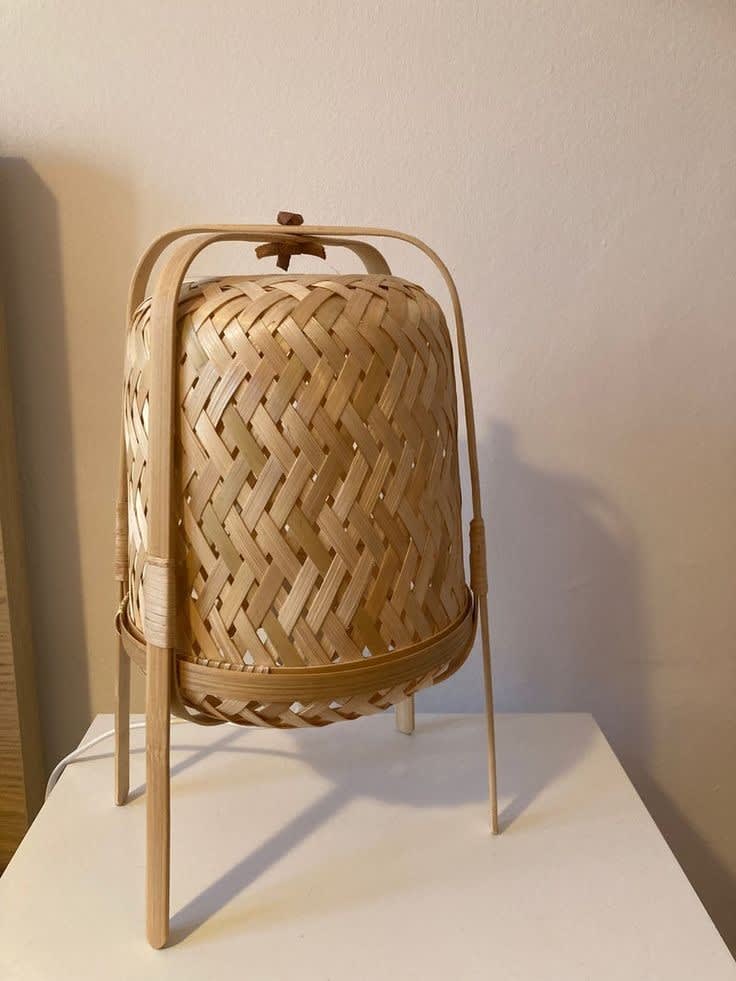
Regional Bamboo Craftsmanship: The Artisans Behind India's Bamboo Decor

Photo by Unsplash
Across Northeast India, bamboo is far more than a natural resource — it is an integral pillar of cultural identity, architecture, and daily life. From the misty hills of Agartala in Tripura to the river valleys of Assam, regional bamboo craftsmanship in India represents one of the world's most intricate and unbroken craft traditions.
1. Tripura: The Heartland of Fine Bamboo Weaving
Tripura holds a special place in India's handicraft landscape. With over 21 native bamboo species growing in its lush forests, local tribal communities—including the Tripuri, Reang, and Jamatia peoples—have honed bamboo splitting and weaving into a high art form. Master weavers in Agartala split mature bamboo poles into paper-thin ribbons using traditional hand knives called dao, meticulously smoothing each strand before weaving delicate lampshades, baskets, and wall hangings.
2. Assam & Manipur: Structural Bamboo Architecture
In Assam and Manipur, bamboo craft leans heavily into structural furniture, bridges, and woven mats. The thick-walled Bambusa tulda and Dendrocalamus strictus species provide exceptional load-bearing strength, used to craft resilient chairs, tables, and storage chests that withstand heavy monsoon rains.
3. From Raw Forest Stalks to Refined Interior Decor
The transformation of raw forest bamboo into refined home decor requires immense patience and skill:
- Sustainable Harvesting: Only mature 3 to 5-year-old bamboo stalks are selected to ensure maximum strength and prevent forest depletion.
- Natural Seasoning: Stalks are soaked in natural water baths and air-dried to extract starches, protecting the fibers from insects.
- Hand Splitting: Artisans manually split stalks into fine, uniform slivers without using industrial machinery.
- Precision Weaving: Slivers are hand-woven into complex geometric patterns that give each lampshade or basket its distinctive texture.
"Every handwoven bamboo basket carries the unique touch and story of the artisan who crafted it. No two pieces are ever identical."
Preserving Heritage Through Fair-Trade Craft
When you bring handcrafted bamboo pieces into your home, you participate in an ethical supply chain that directly sustains rural artisan families, fosters gender empowerment among women weavers, and keeps ancient Indian traditions thriving in the modern digital age.
Featured Handcrafted Products
 27% OFF
Artisan Bamboo Bedside Lamp
Natural bamboo / rattan, handwoven
Explore Handcrafted Collections
Discover sustainably sourced, Indian artisan bamboo decor designed to bring warm natural texture into your living spaces.